

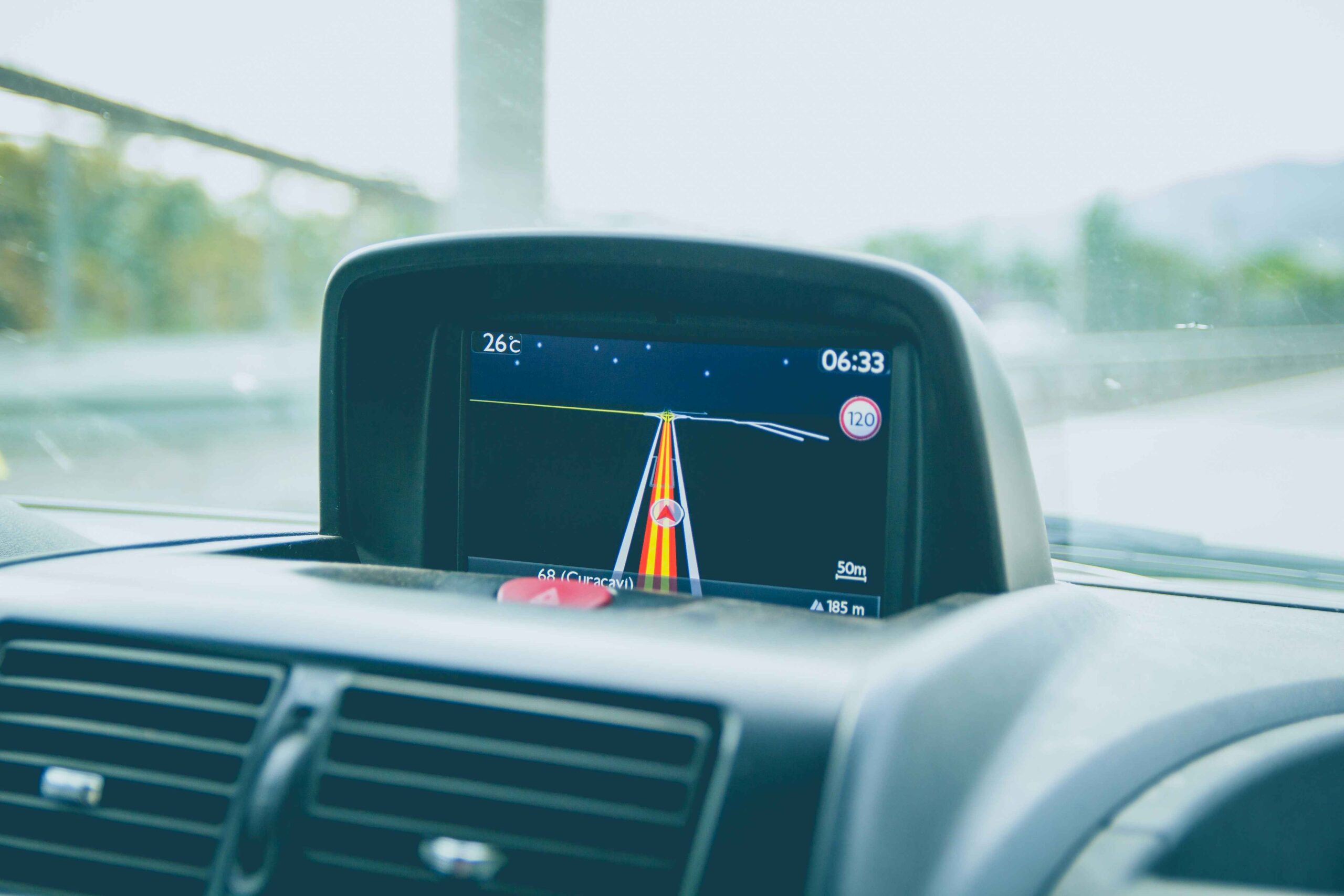
A hardwired tracker permanently
installed in the vehicle for
continuous, tamper-resistant realtime
location monitoring.
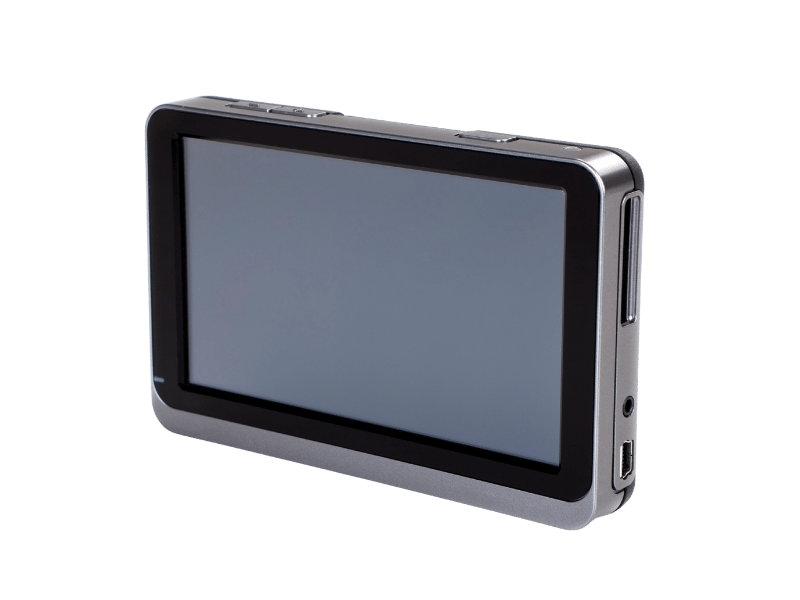
A plug-and-play tracker that can
be easily moved between vehicles
without any installation required

Connects to the vehicle's CAN bus
to capture both GPS location and
engine diagnostics in one device.
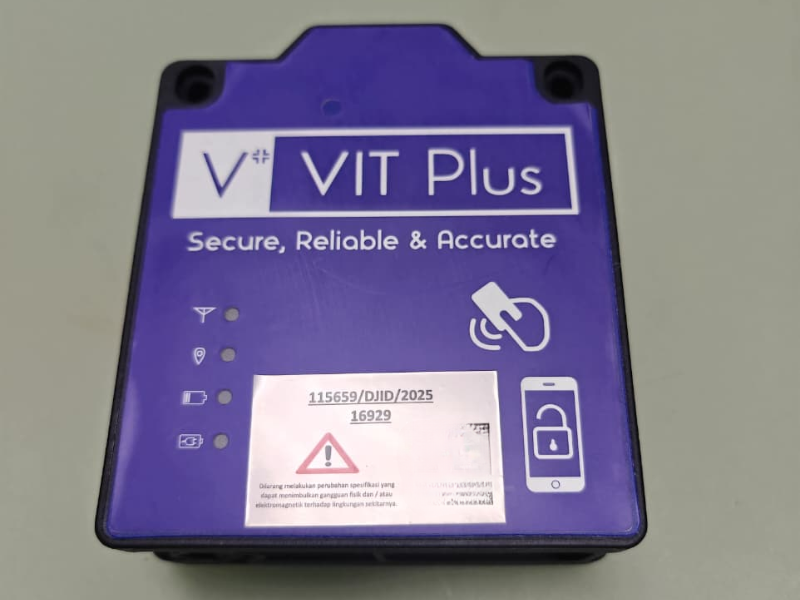
A smart security device used in fleet management to monitor the integrity of cargo during transportation.

Sets virtual boundaries on
the map and triggers alerts
when a vehicle enters or exits
a designated area.
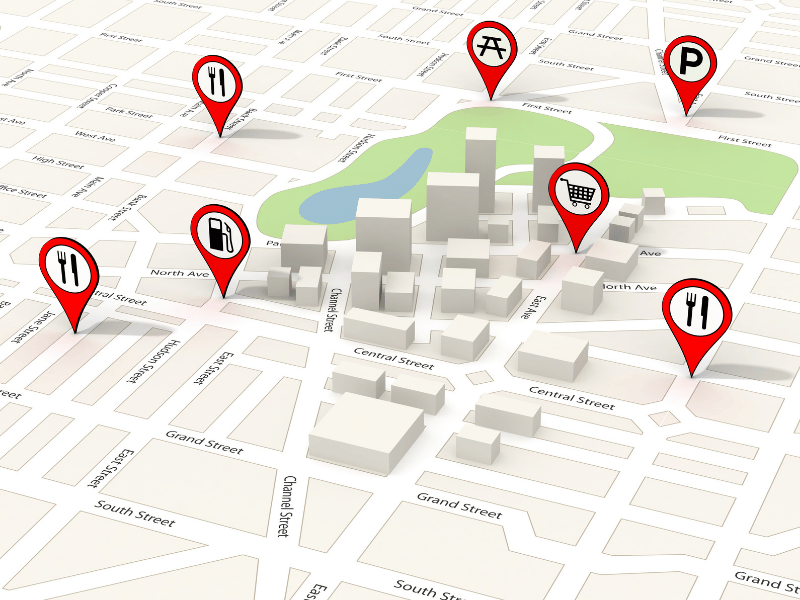
Lets users pin key locations
such as depots, client sites,
or fuel stations directly on
the map.

Monitors driving habits like
harsh braking and speeding
to reduce risk and vehicle
wear.

Tracks service schedules
based on mileage or time to
keep the fleet in optimal
condition.
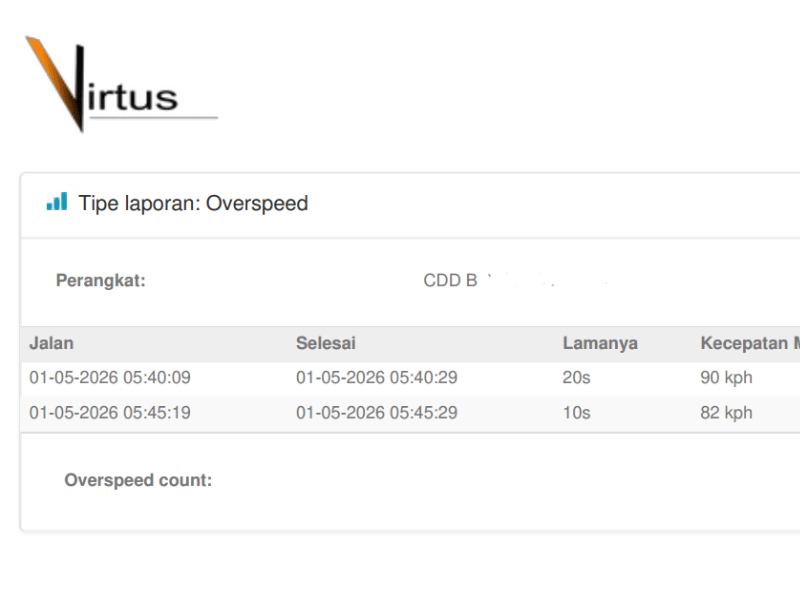
Generates structured reports
on trip history, speed, and
driver performance for
operational insights.
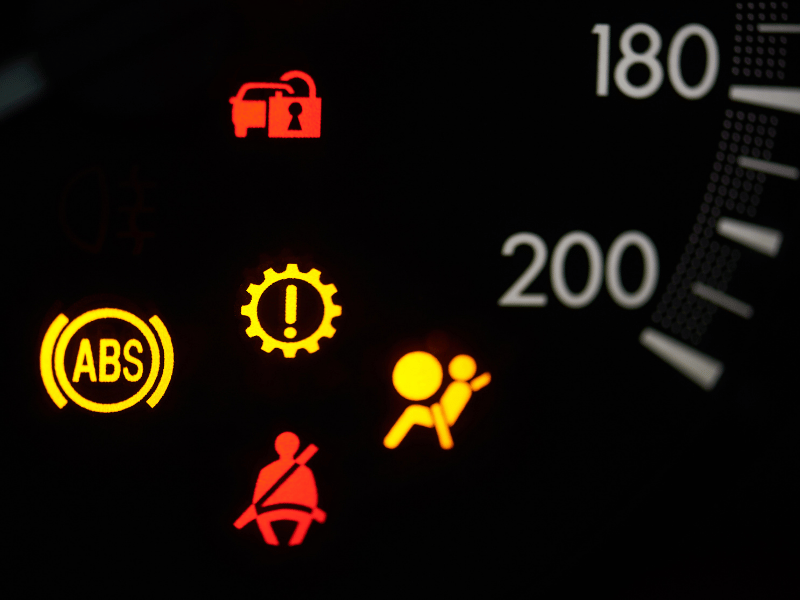
Sends real-time alerts when
critical events occur, such as
speeding or geofence
violations.
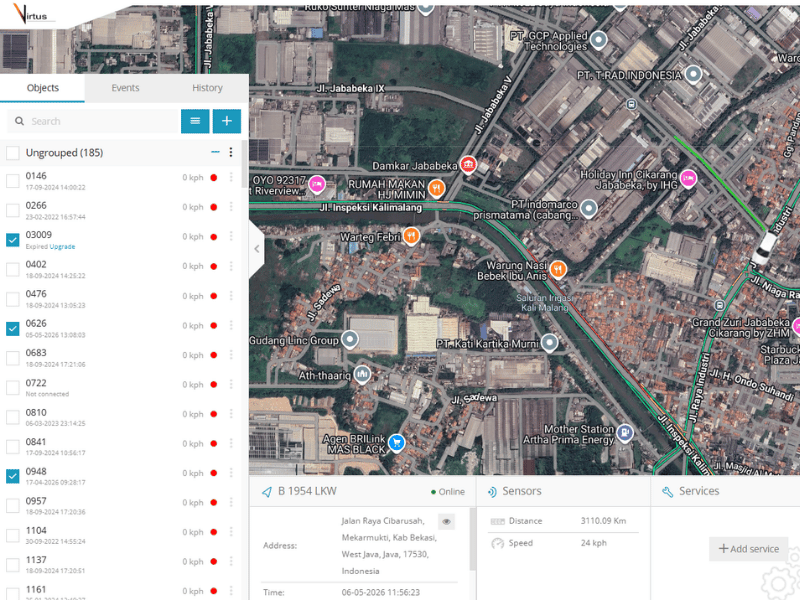
Provides optimized route
planning to improve
efficiency and reduce fuel
consumption.
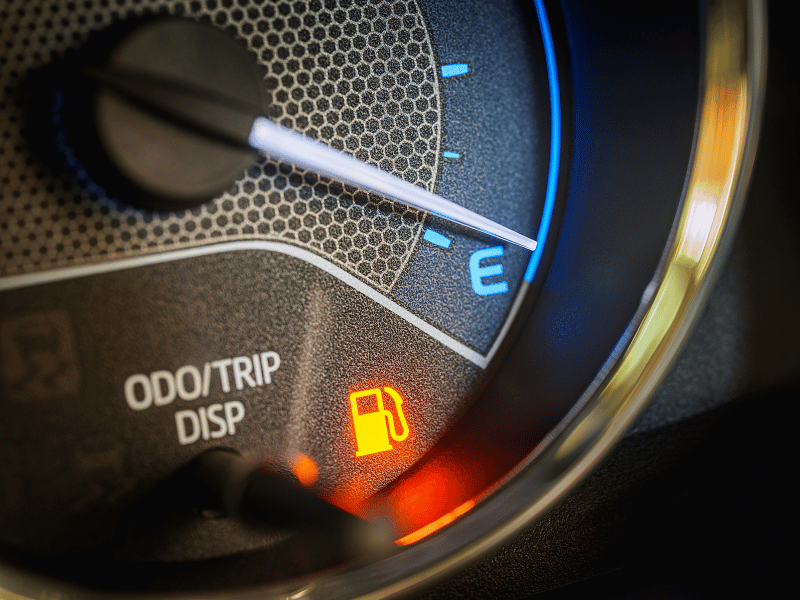
Tracks fuel levels in real time to
detect theft, leaks, and
inefficient consumption.
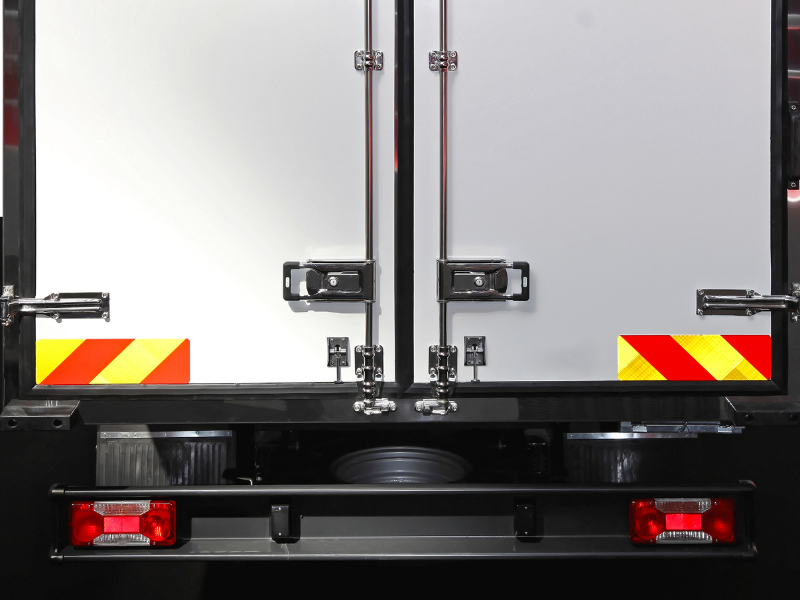
Monitors vehicle door
open/close status to enhance
cargo security and driver
accountability.
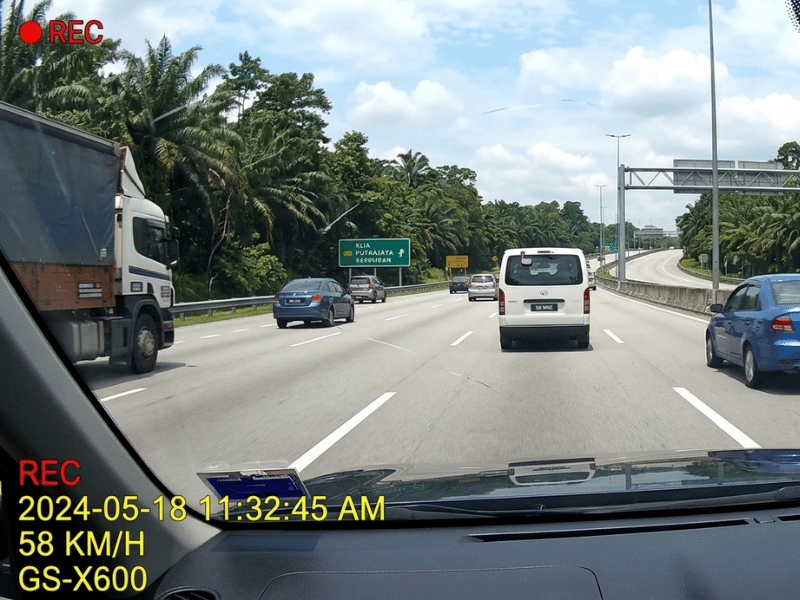
Integrates in-vehicle cameras
for live and recorded footage to
support safety and incident
verification.
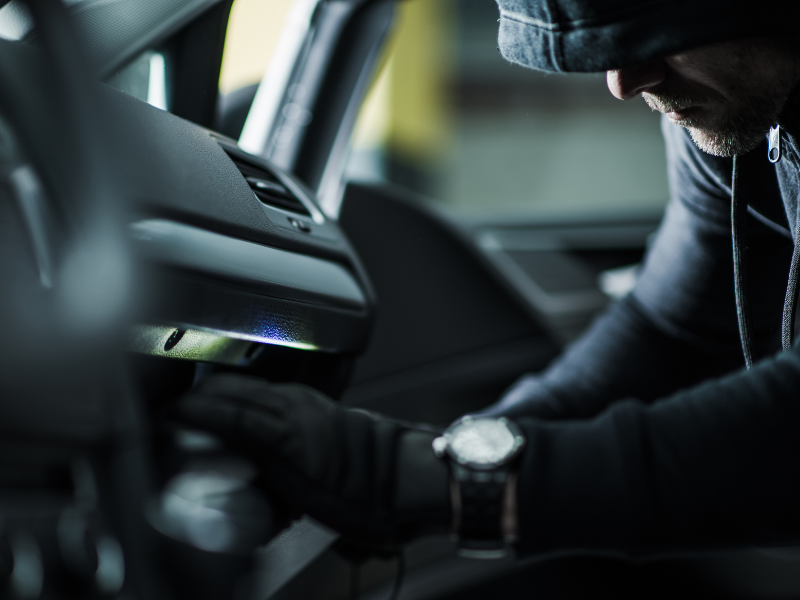
Allows managers to remotely
prevent a vehicle from restarting
as an anti-theft measure.
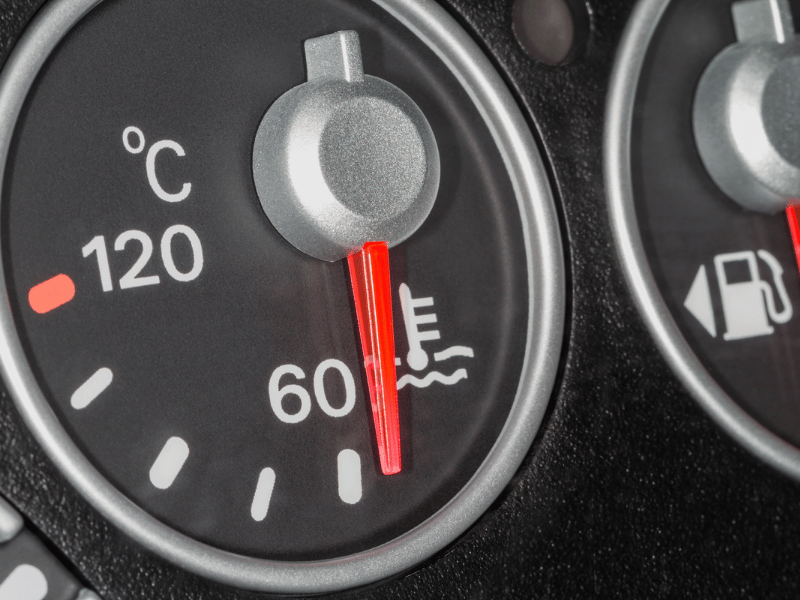
Tracks cargo temperature and
alerts when readings go outside
the required range.
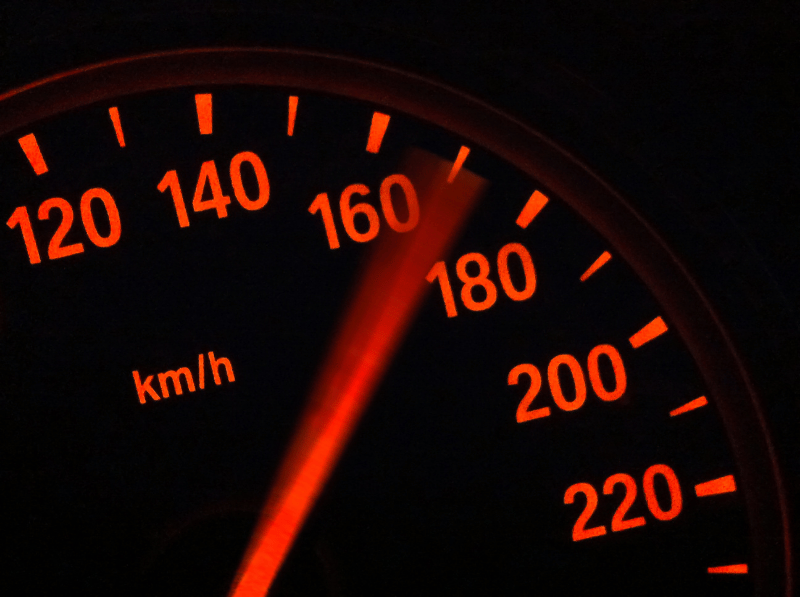
Triggers an in-vehicle audio alert
when the driver exceeds a
predefined speed limit.
Setup reports
Setup alerts
Creating geofences / zones
Setup sub users
Logbook reporting
Weekly health checks
Recommended
All From Virtus Plus
Weekly health checks
Daily health checks
Setup routes
Setup geofences
Setup POI
Over speeding
Unauthorised stops
PT Virtus Indo Teknologi helps companies across various sectors manage their fleets, vehicle assets, and operational activities more safely, efficiently, and measurably through an integrated monitoring system.
Learn how Geofence, POI, Driver Behavior, Maintenance, Reporting, Notification/Alert, and Routing features help companies manage their fleets more safely, efficiently, measurably, and data-driven.
The Geofence feature helps companies set boundaries for vehicle operational areas based on specific zones. With this feature, companies can monitor when vehicles enter or exit predetermined areas, such as warehouses, vehicle pools, branch offices, customer locations, or distribution areas.
The POI feature helps companies mark important locations in fleet operations, such as warehouses, pools, gas stations, branch offices, and customer locations. With saved location points, the operations team can more easily monitor vehicle travel, ensure vehicles are heading to the correct locations, and evaluate fleet activity in a more structured manner.
The Driver Behavior feature is important because it helps companies more objectively monitor driver driving behavior, such as speed, sudden braking, excessive acceleration, and driving patterns. This data can be used to Improve safety, reduce the risk of accidents, minimize potential vehicle damage, and serve as a basis for driver evaluation and training.
The Maintenance feature helps companies organize vehicle maintenance schedules based on mileage, usage time, or specific service needs. With more scheduled maintenance reminders, companies can reduce the risk of vehicle breakdowns, reduce unexpected repair costs, and keep their fleets ready for daily operations.
The Reporting feature provides easy-to-read and analyze vehicle operational reports, such as mileage, operational time, stop points, vehicle usage, and driver activity. Meanwhile, Notification/Alerts provide automatic notifications when critical activity occurs, such as vehicles leaving the designated area, exceeding the speed limit, or stopping for too long. The combination of the two helps companies make faster decisions based on clear data.
The Routing feature helps companies plan more precise travel routes to better control travel time, fuel consumption, and vehicle productivity. With more efficient routes, companies can reduce operational waste, improve delivery timeliness, and streamline distribution activities.
WhatsApp us