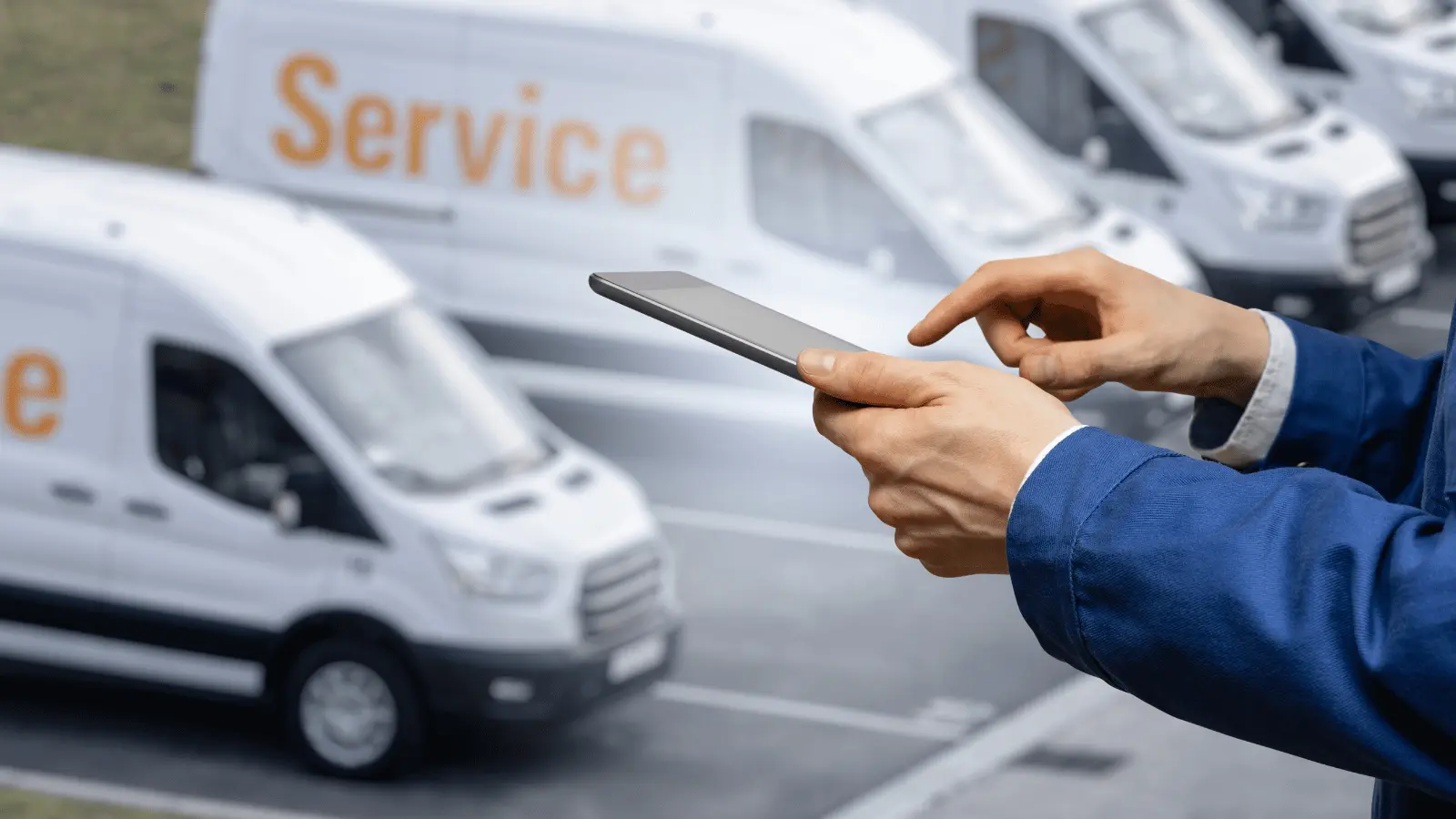

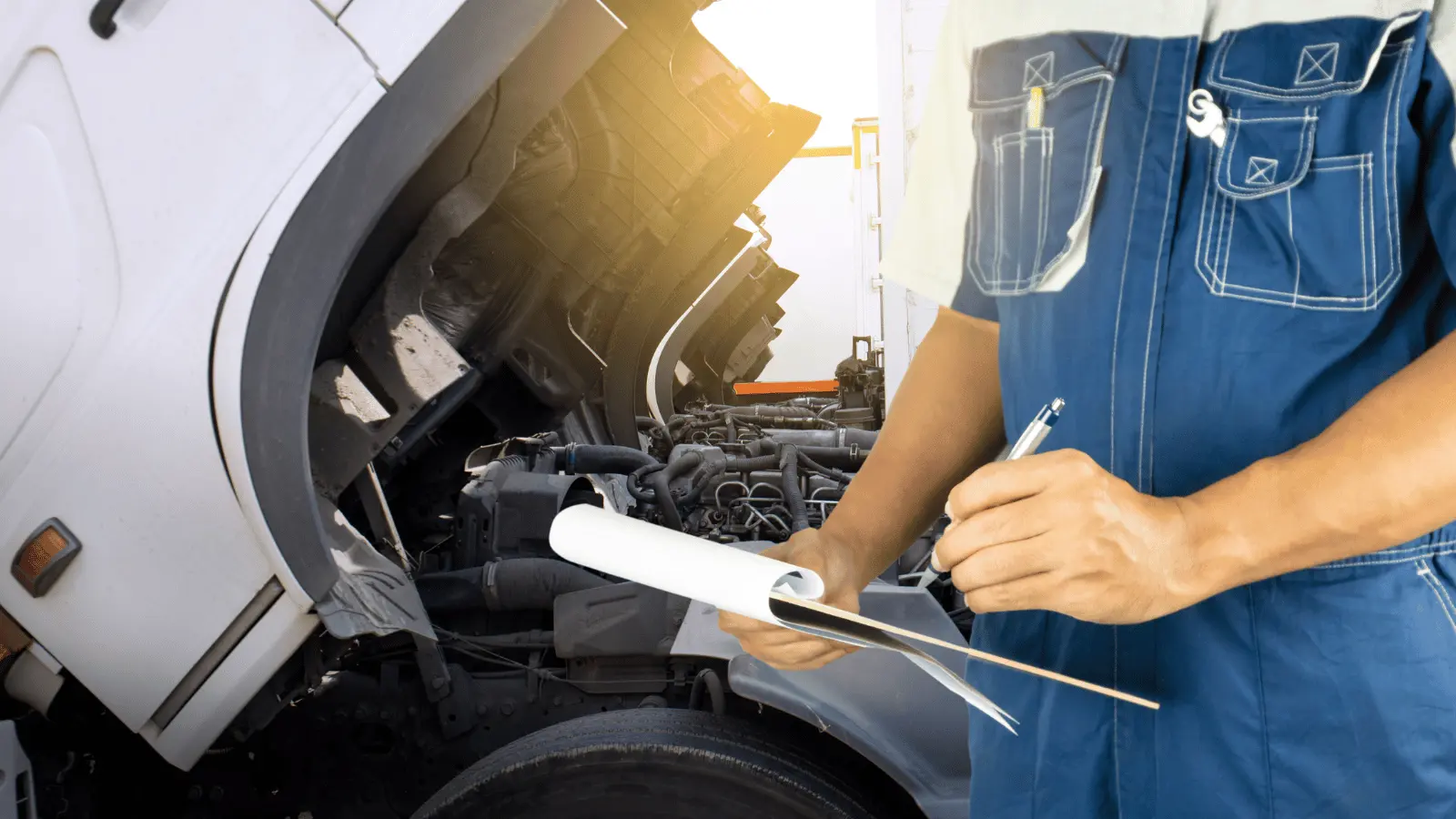
Fleet management is a system for managing a business’s vehicle fleet in an integrated way, covering everything from location monitoring, driver behavior, fuel usage, maintenance scheduling, and vehicle security to operational performance analysis. Today, fleet management is no longer simply a GPS tool for viewing a vehicle’s position on a map. Its role has evolved into a business control system that helps companies reduce costs, improve productivity, mitigate risks, and make decisions based on data.
This need is becoming increasingly relevant as the logistics, distribution, transportation, construction, retail, FMCG, cold chain, and field service industries become ever more dependent on fleet speed and accuracy. In Indonesia, the freight and logistics market is projected to continue growing, with a 2026 market value of around USD 139.35 billion and a projected increase to USD 188.38 billion by 2031. The growth of e-commerce, the expansion of toll roads, and manufacturing activity are making the need for fleet management increasingly important.

Why Is Fleet Management Becoming More Important?
Many companies still manage their vehicles manually: drivers report via WhatsApp, fuel expenses are recorded by hand, service schedules fall behind, and trip reports are only compiled after a problem has occurred. This approach appears simple, but it harbors many risks. Fuel costs can leak away, vehicles can be used off route, delays are hard to track, and the potential for vehicle damage often goes unnoticed until too late.
Fleet management exists to change these working patterns. Companies not only know “where the vehicle is,” but also understand how the vehicle is used, how efficient its route is, whether the driver is driving safely, when the vehicle needs servicing, and whether fleet operations are truly delivering productivity.
Globally, the fleet management trend in 2026 is moving toward the use of cloud-based platforms, AI-driven predictive maintenance, video telematics, and vehicle data integration for operational efficiency and security. This means that companies still relying solely on manual record-keeping will fall further behind, especially as the number of vehicles in their fleet continues to grow.
Main Functions of Fleet Management
The first function is real-time GPS tracking. With this feature, companies can monitor vehicle positions directly, view trip history, determine stop times, and ensure vehicles are moving along their designated routes. This is important for distribution, logistics, vehicle rental, and freight-forwarding businesses, as well as companies with field teams.
The second function is monitoring driver behavior. The telematics system can read vehicle speed, sudden braking patterns, aggressive acceleration, idle time, and route compliance. This data helps companies assess driver performance more objectively. Telematics can also help fleet managers understand driver behavior, fuel efficiency, vehicle maintenance, and safety.
The third function is fuel efficiency. In many fleet-based businesses, fuel is one of the largest cost components. Without a monitoring system, companies find it difficult to distinguish between normal consumption, waste due to excessive idling, inefficient routes, or potential vehicle misuse. Fleet management helps companies see consumption data and vehicle usage patterns more clearly.
The fourth function is preventive and predictive maintenance. Modern systems not only record when a vehicle needs servicing, but also help identify early signals of potential problems. Telematics can monitor engine hours, mileage, and vehicle condition to support a preventive maintenance schedule, so downtime can be reduced and vehicle lifespan optimized.
The fifth function is vehicle and asset security. With features such as geofencing, companies can create virtual area boundaries. When a vehicle exits or enters a certain area, the system sends an alert. This is useful for preventing vehicle misuse, securing assets, and controlling fleet activity in the field.
The Most Relevant Fleet Management Trends Today
The first trend is advanced telematics. Modern fleet management is not based solely on GPS, but also combines vehicle data, sensors, cameras, fuel monitoring, temperature monitoring, and performance reports in a single dashboard. This makes fleet management more comprehensive.
The second trend is AI and predictive analytics. AI-based systems are beginning to be used to help fleet managers spot anomalies, predict the risk of breakdowns, and provide action recommendations. In recent developments, automotive companies and global fleets are starting to integrate AI into telematics software to read vehicle data such as speed, seat belt status, and engine condition, then turn it into actionable insights.
The third trend is video/camera monitoring. Fleet cameras are becoming increasingly relevant because they help companies reduce the risk of accidents, false claims, delivery disputes, and SOP violations. Video telematics has also become an important trend in 2026 fleet management, particularly for safety and claims documentation.
The fourth trend is operational data integration. Good fleet management should not stand alone. Vehicle data should ideally support operational reporting, finance, maintenance, compliance, customer service, and performance management. Companies that view fleet management merely as a “tracking tool” will miss the greatest potential of this technology, namely data-driven decision-making.
The fifth trend is fleet rightsizing, or managing fleet size more efficiently. Many companies have more vehicles than they actually need, or conversely, too few vehicles during certain operating hours. With utilization data, companies can assess which vehicles are productive, which are rarely used, and how to organize the fleet so that costs do not balloon.
Benefits of Fleet Management for Businesses
The most tangible benefit is operational cost savings. Companies can reduce fuel waste, curb the use of vehicles beyond what is needed, reduce unnecessary overtime, and optimize travel routes. The fleet management system also helps make maintenance more planned, so major breakdowns can be prevented early.
The next benefit is increased productivity. Operational teams do not need to continuously ask for the driver’s position manually. Customer service can also provide more accurate delivery updates. Management can view fleet performance through cleaner, real-time reports.
Fleet management also improves driver and vehicle safety. Data on speed, sudden braking, travel routes, and driving behavior helps companies establish clearer safety standards. Drivers who drive safely can be recognized, while risky behavior can be corrected before it causes an accident.
In addition, fleet management helps companies build accountability. All trips, locations, stop times, and vehicle activity history are recorded. This reduces subjective disputes among drivers, supervisors, and management because decisions can be made based on data.
What Businesses Need Fleet Management?
Fleet management is suitable for businesses with operational vehicles, whether in small or large numbers. Examples include logistics companies, freight forwarders, vehicle rental services, FMCG distribution, cold chain, manufacturing, construction, mining, passenger transportation, field technician services, and retail companies with their own delivery fleets.
Even for businesses with 5–10 vehicles, fleet management is already relevant if those vehicles directly affect costs, customer service, and daily operations. The higher the value of the goods, distance traveled, and trip intensity, the greater a company’s need for a structured monitoring system.
Common Mistakes in Managing a Fleet
The first mistake is focusing only on the cheapest GPS price. In reality, the business need is not just for “a vehicle visible on a map,” but for how the system helps reduce costs, improve SOPs, and increase operational control. The second mistake is not using the data. Many companies have already installed GPS, but never read the reports on idle time, overspeed, routes, or vehicle utilization. As a result, the technology becomes merely a passive tool rather than a decision-making tool. The third mistake is not having SOPs. Fleet management will be far more effective if a company has clear rules: speed limits, operational areas, service schedules, vehicle use outside working hours, fuel refilling standards, and driver evaluation.
Choose Fleet Management That Can Be an Operational Partner
Effective fleet management is not just about the device, but a combination of hardware, software, installation, support, and an understanding of business needs. Companies need a solution that is stable, easy to use, real-time, and adaptable to the type of fleet.
This is where PT Virtus Indo Teknologi can be a strategic partner for businesses that want to manage their fleet more professionally. With solutions such as GPS tracking, hardwired trackers, geofencing, fuel monitoring, door monitoring, video/camera monitoring, temperature monitoring, speed buzzers, and other monitoring features, PT Virtus Indo Teknologi helps companies see, control, and optimize their fleet in a more measurable way.
If your business still relies on manual reports, frequently experiences fuel waste, struggles to monitor vehicles, or wants to improve fleet security, now is the time to switch to a more modern fleet management system. Consult your fleet needs with PT Virtus Indo Teknologi and build vehicle operations that are more efficient, safe, and data-driven.
If your company needs a fleet management system that helps monitor your fleet in real time, control operational costs, improve vehicle security, and manage maintenance in a more measurable way, PT Virtus Indo Teknologi can be the right technology partner. For more information regarding services, features, and fleet installation requirements, contact PT Virtus Indo Teknologi at +62 21-7279-0666.